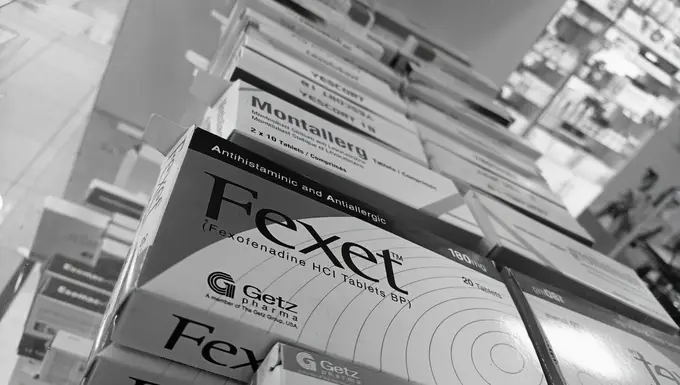
Every day, customers walk in and out of your pharmacy… and you don’t even realize how many chances you missed.
This is typically what happens in the pharmacy:
A patient comes in with a prescription from the doctor. At first you appear busy, then you finally give them attention with a quick “Hi” as your greeting and pick up their prescription.
No eye contact, no smile. You proceed to the computer to check the items, then tell your client they are available and quote the price.
They are happy because they had walked into many pharmacies but could not find the products — yet you had them. You brag a bit about how well you are stocked and how useless the other pharmacies are.
While preparing the labels, you impress the client with how well you know the products — their uses, side effects, how they work, and what to avoid. They don’t even have room to ask questions because you explained everything clearly.
They leave in a hurry since they had already spent a lot of time in the hospital. No engagement, no extra recommendations, missed opportunities everywhere — just dispensing the way you were taught in school.
You are left feeling happy because you nailed that sale.
It is not just you. This is how many pharmacy professionals operate. They think, “If the patient needs it, they will ask. I don’t want to look pushy. My job is just to dispense. Selling feels unethical.”
At the end of the day your revenue does not grow. You immediately start blaming your competitors for “just selling.”
Yet what they are doing is simple: recommending a supplement, suggesting a device, or offering a better option.
How do they achieve this?
By identifying their customers’ true desires — to be seen and heard — and clarifying their main challenges, which ends with them offering a valuable solution.
Selling is not pushing products. Selling is helping people make better decisions.
See yourself as a guide, not the main character.
There is time I attended a masterclass session on selling, so during the practical time the facilitator gave me an iPhone to sell as an example to showcase my selling skills.
So, we went through the usual greetings then I started: “This phone is the best compared to Android phones. It has an iOS operating system and cannot be hacked. Even if it is stolen, no one can format it to resell.”
Then I went ahead to quote the price.
I made a mistake many salespeople do. I assumed how I understand a product is the same as what the customer would want.
The person I was trying to sell the iPhone to cared most about it having the best camera.
I did not mention that the iPhone has the best camera.
People don’t buy the best products; they buy the products they can understand the fastest.
Selling starts with understanding the customer. Conversations bring you transactions only if you ask the right questions.
And you don’t have to be Jeff Koinange to be liked by clients. Just be you.
Try to act like something else and the client will feel uncomfortable and get the impression that you are not authentic. They will not trust you.
To get the most out of a client interaction, I encourage you to do these three things:
- Deeply understand your customer before presenting any solution — spend time identifying their real wants, pains, and hidden challenges so you can speak directly to what matters most to them.
- Ask the right questions in every conversation to uncover what your customer truly needs and wants — focus on open-ended discovery questions that make them feel seen and heard.
- Simplify your message so your product or service becomes the one they can understand the fastest — translate features and benefits into clear, relatable language that directly addresses their specific challenge.
Start engaging your client.
They will always tell you the challenges they are going through. Even if they are coming from the doctor, they will tell you something they forgot to tell the doctor or they could just be seeking a second opinion.
You can pick it up from there.
You are a pharmacy, so they come because they know you have a solution. Just by being a pharmacy you have already defined your promise — so clarify it to the client.
Don’t be in a rush to sell just because you want to.
First understand that the most important thing you want to accomplish is to win their trust. And to do this you have to be helpful. Sometimes you can only advise and leave it there for the client to decide for themselves.
This is how you win a repeat client. You always want the client to come back for something else. When the client is happy with your service they will always refer a friend or relative to you and therefore it is a win for you.
Common mistakes pharmacy professionals make
- Talking too much instead of listening — Many pharmacy professionals dominate the conversation, eager to sell a product. This makes the patient feel unheard and turns selling into a monologue. Practice the 70/30 rule — listen 70% of the time and talk 30%. Use open-ended questions to uncover their real needs and challenges.
- Focusing on features instead of benefits and value — Listing drug uses or “mode of action” fails to connect with what the customer actually cares about. The client wants to know that the product is going to manage their problem and that’s all. They are always looking for an easier, faster, or more effective solution.
- Pitching or presenting too early (before understanding the customer) — Jumping straight into your solution without first identifying what the customer wants or their hidden challenges wastes time and kills trust. Don’t be like me selling the iPhone. Start every conversation by asking discovery questions to deeply understand their situation, then tailor your message so they grasp your offering quickly and clearly.
- Focusing on price over value (or sounding pushy) — Leading with discounts, arguing price, or using high-pressure tactics makes selling feel manipulative and commoditizes your offer. Emphasize the unique value and outcomes you deliver. Handle price objections by reinforcing the return on investment and building genuine rapport. You already laid out the benefits of omega 3 to the client’s health outcome — they will always come for it when they are ready.
Conclusion
The truth is, selling in pharmacy is not about being aggressive or unethical — it’s about showing up as a trusted guide who truly cares. When you start listening more, asking better questions, and focusing on your clients’ real needs instead of just dispensing, everything changes. Your revenue grows, your clients keep coming back, and your pharmacy becomes more than just a place to pick up medicine — it becomes their go-to partner for better health. Start small today. Engage one client differently, and watch what happens.