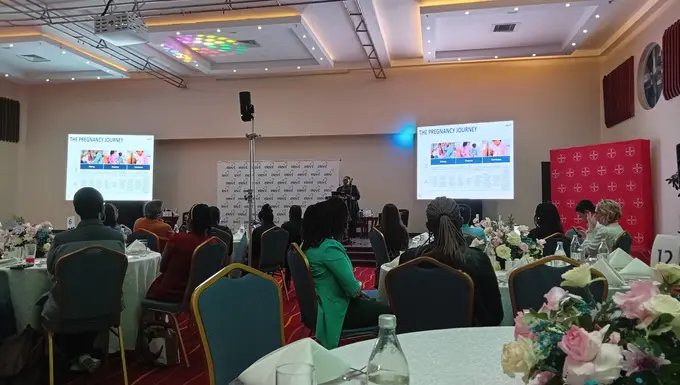
Equity Afya has launched its first community pharmacy in Nairobi’s Britam Tower.
Pharmacies open and close every day, and there is usually nothing particularly remarkable about it. However, with Equity, it feels like there is a bigger plan at play. They do not appear to be opening just another pharmacy; they seem determined to challenge the retail pharmaceutical market.
What caught my attention was a statement made by Dr. James Mwangi, CEO of Equity Group.
“…this initiative aims to reduce the cost of medicine by between 50 and 80 percent while significantly expanding access to safe and effective pharmaceutical care.”
That statement immediately got me thinking.
Can you really reduce the cost of medicines by 50%?
If Equity is serious about achieving that, then they may be borrowing a page from the cost-plus model popularized by Mark Cuban in the United States.
The idea is fairly simple. Remove unnecessary middlemen, eliminate excessive markups, and price medicines transparently. The model attracted significant attention because many patients discovered they could access medicines at a fraction of what they were previously paying.
In theory, medicines can become much cheaper.
However, there is an important detail that is often overlooked. Much of the savings in cost-plus models come from using generic medicines rather than branded products.
Personally, I struggle to see how anyone can reduce the price of an original branded medicine by 50% in the current market. To achieve that kind of reduction, you would almost certainly need to rely heavily on quality generic alternatives.
And this is where things become interesting.
Not every patient wants generic medicines.
Many Kenyan patients, particularly those with comprehensive insurance cover or higher disposable incomes, are comfortable paying for branded products. In some cases, they actively request them because they have used them before and trust them.
Equity Afya already operates a network of clinics that serves a large insured population. Naturally, the next step is to connect consultations with pharmaceutical services and keep more of the patient’s healthcare journey within the same ecosystem.
From a business perspective, that makes sense.
The challenge is balancing affordability with patient expectations.
Insurance providers are under constant pressure from rising healthcare costs, while patients expect access to the best possible treatment. One way of controlling those costs is by encouraging the use of generic medicines where appropriate.
Patients save money, insurers reduce claims costs, and the healthcare system becomes more sustainable.
On paper, everyone wins.
The question is whether patients and prescribers will fully embrace the idea.
Many younger prescribers are comfortable writing open prescriptions using generic names, which gives pharmacists flexibility to dispense cost-effective alternatives. However, some prescribers remain strongly attached to particular brands they have used for years and may be reluctant to change.
Patient perception will also matter. A significant number of people still associate lower-priced medicines with lower quality, even when the products meet the same regulatory standards.
That means Equity Afya’s biggest challenge may not be pricing.
It may be education.
If they can convince patients that affordable generics can deliver the same outcomes as more expensive brands, then the model has a real chance of succeeding.
Either way, I think the pharmacy has a strong opportunity.
Community pharmacies remain the first point of care for many people managing minor ailments, seeking advice, or filling prescriptions. If Equity Afya can combine competitive pricing, reliable stock availability, and the convenience of multiple locations, they could become a significant player in the retail pharmacy space.
The launch of a single pharmacy is not the story.
The real story is whether Equity can change how medicines are priced and accessed in Kenya.